
Customer Retention That Starts With a Better Experience

Winning new clients can be difficult and requires effort to maintain relationships. Often times, after a potential client completes an evaluation of your business, for example by purchasing your product or service, or by completing a project with your company, the relationship fades since the salesperson has no reason to follow up.

The Search Intelligence System (SIS) provides a solution to this problem by creating an efficient after sales process. In order to accomplish this, we examine the service promises made to the client, how the service is concluded, when the client may need the service again, and the follow ups that are appropriate and useful to the client. This process is designed to increase the Edge Value of a business by creating opportunities to serve and exceed a client's expectations.

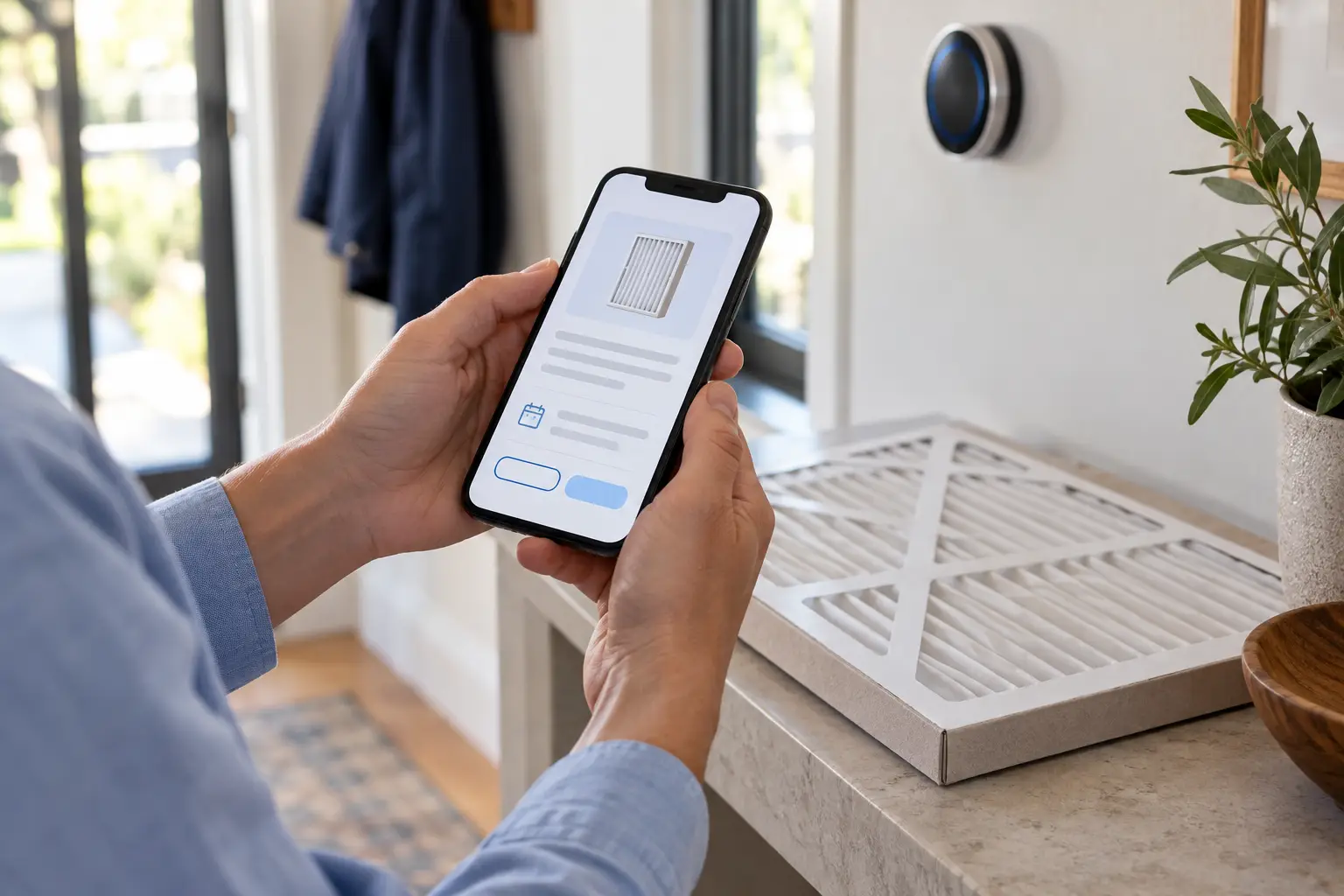
Homeowner reading a filter replacement reminder on a phone.

01

What Happens After the First Job Is Done?

Some companies stop contacting you once they’ve issued their final invoice. Others seem to treat all past customers the same way, whether you were last contacted about your business a week ago, or a year ago, or many years ago. None of these ways of working invite further business.

Just thinking about the next time you communicate with a customer should begin with the service you deliver. Was your service delivered so that the customer understands their next course of action? Does the customer know who can answer their questions? Is there an appropriate time for you to call and find out if the customer is satisfied? Doing this gives you a strong base from which to communicate next, unlike an unsolicited email.

02

What Our Customer Retention Service Covers

01

A thoughtful post-service handoff

When a project or service is finalized, we ensure customers receive closing materials. These may include Next steps, support resources, or other information the customer will need to know in the absence of our ongoing work on the project. It’s always beneficial to the customer to have a clear source of information to answer their questions. It also gives your team a reference point for communicating with the customer.


02

Relevant follow-up

Not every customer wants to be messaged constantly. We help determine which messages are useful and within which messages there is an opportunity to send a reminder to perform a service or send service-related information and/or tips. The message always needs to be relevant to the service being performed.

03

Re-engagement of past customers

If it’s been a while since your business engaged a lead, saying “we miss you” probably won’t mean much to them. Instead, we consider the service the lead received, the likelihood of them developing a new requirement, and the potential value the lead may realize from engaging with your business. The message should be such that it provides the lead with an easy way to say ‘no’ to your offer.

04

Repeat service opportunities

Sometimes work leads directly to additional work or to a subsequent stage. Other services are one-time activities. We’ll help you define appropriate follow-ups to your service offerings, as opposed to defining all follow-ups to services as part of a Campaign, as is common in many sales methods. The key question is, what is the next step? What is the best next action?

05

Referral conversations

Referrals can be an effective way to get new customers. That’s why we study how your employees can accept and respond to referrals in an appropriate way. We believe a good referral system can encourage customers to refer your business to their friends, without trying to push a referral on customers if they aren’t comfortable doing so.

Consultant walking a homeowner through a handoff binder at a kitchen island.

03

Keep the Relationship Personal as You Grow

While a system can remind your team of follow-up dates, it can’t tell you when to follow up with whom. Some team members may have unresolved concerns with a case, and following up with them to offer a promotional opportunity may not be the best next step. Consider the case where a customer has just completed a case, and is probably not interested in messages about the case. The customer may prefer case handoff information so they can take a break.

Communication should happen naturally, and teams should be able to decode relevant information in a message in order to correctly identify when to continue a conversation asynchronously and when to bridge communication by talking to the customer face-to-face. Many repeated steps in a work process can be automated and/or integrated with CRM technology to help craft and send messages to customers.

04

How SIS Builds a Retention Process

  1. 01

    Understand your customer’s journey

    We look at the whole picture from sale to delivery and beyond to support and future needs.

  2. 02

    Identify touch points

    These are opportunities to communicated with your customer to provide an update, reach out to remind them of your service, or encourage them to make a booking.

  3. 03

    Tailor your communication

    To provide a valuable service, contact your customer at the right time.

  4. 04

    Decide who and when

    Define who on your team is responsible for answering customer questions and when a response is required.

  5. 05

    Evaluate your work

    Responding to your service has a positive effect on your business. You’ll notice an increase in repeat customers and referrals.

The process can begin small. A clear end-of-service handoff and one well-timed check-in may be more valuable than a large campaign that no one has time to manage.

05

Retention Is More Than Another Campaign

The best marketing is delivering the best service and support. You can improve marketing to make it easier for your team to do their jobs, but it should never be the focus. If there is consistent criticism about the same thing, it is your responsibility to make sure it gets to the people who can do something about it.

This is what connects Reputation Management and Customer Retention. Reputation Management focuses on how to respond to, and manage, feedback that is posted online. Customer Retention focuses on what happens after the sale. Both involve communications to help deepen relationships with customers and provide opportunities for recurring business. Retention helps identify and address issues that, if left unchecked, could result in negative feedback.

06

Measure Relationships Without Overclaiming

What is meaningful will vary by business. A business where the service is not naturally repeated may look at customer advocacy or other metrics. A project-based business may look at customer satisfaction, customer advocacy, or other metrics.

Like your customers, not every action is a response to your last outreach. Sometimes, reporting a metric may have unintended consequences. Supposedly, the best way to find something is to lose it. Reporting and Attribution provides a means to describe what is and is not known and surface gaps in understanding.

Piano technician handing a service summary to a customer after the job.

FAQ

Frequently Asked Questions

After the initial sale, customer retention helps develop a relationship with the customer in a way that encourages the customer to make additional purchases and brings the customer to purchase in the future. Additionally, customer retention builds loyalty with the customer to the extent that the customer becomes an endorser of the company.

Yes. Customer retention is beneficial for service and project-based businesses. Follow-up communication is beneficial in providing customer support and building customer relationship. The follow-up communication must be timed properly.

The ideal communication frequency does not exist. Factors such as the service offered and customer’s needs should determine communication frequency. Communicating with a customer too many times may be inappropriate customer support.

We will help develop communication that supports the relationship with long-time “sleeping” customers and helps to build a relationship with customers to encourage support and purchase. Communication should be timed properly based on customer needs.

Customer retention focuses on the post-purchase relationship to encourage customer support and purchase while reputation management focuses on public customer feedback and reviews.

No, customer retention helps facilitate the post-purchase relationship to support and encourage customer purchase and endorsement based on customer needs. Other factors including competition affect customer purchase.

Give Customers a Reason to Remember You

Your first sale is just the beginning. Clients should know where to come back for more. Let SIS know what happens after your job is done and how your employees communicate with your clients. We can show you how to create an ongoing process with your clients that your employees can easily adopt.